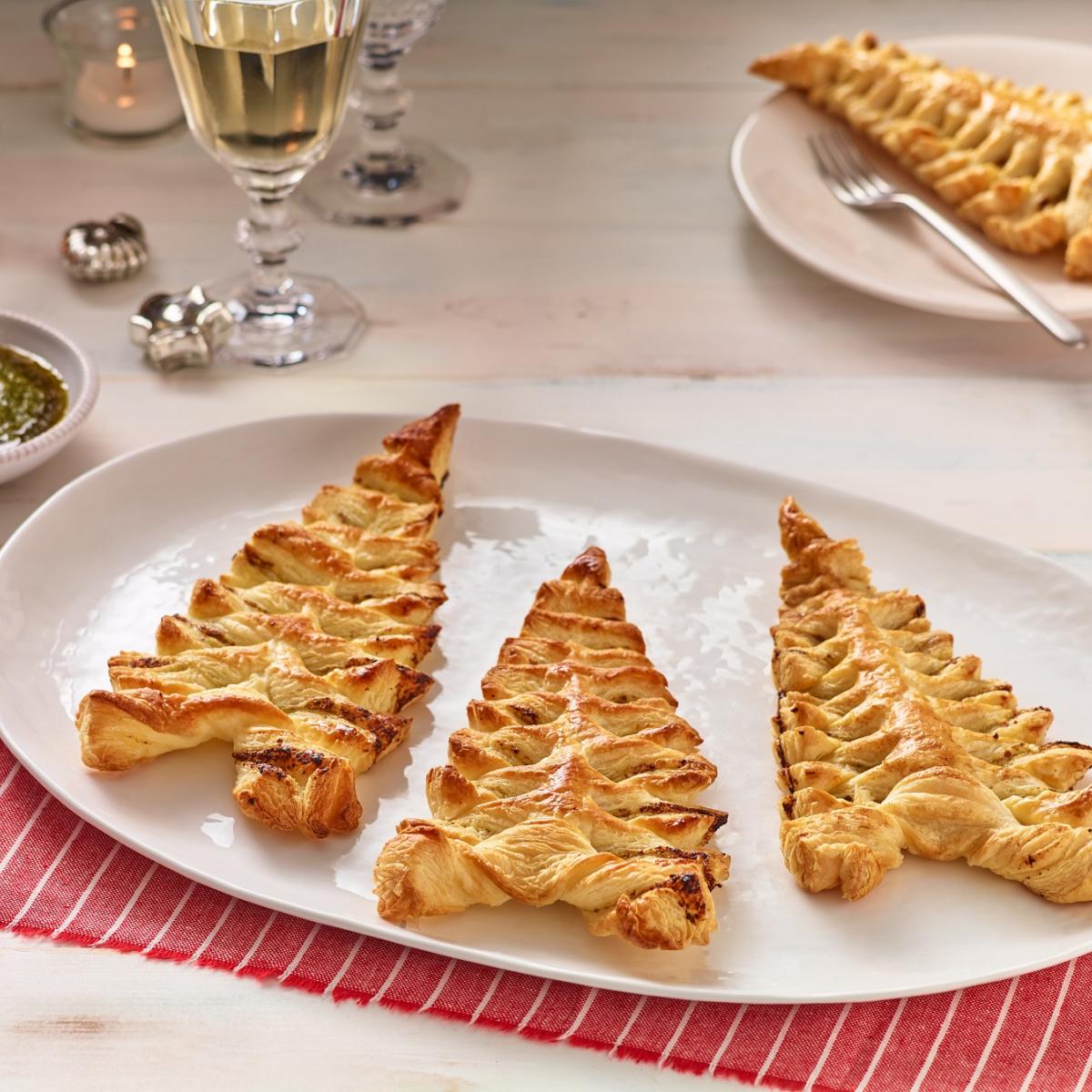
Holiday Pesto Trees
These delicious and savory appetizers are a nice addition to your festive holiday table!
Prep:
20 Minutes
Cook Time:
15 Minutes
Serves: 4
Ingredients:
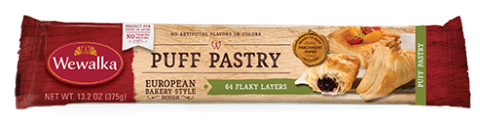
- 1 pkg. Wewalka Puff Pastry Dough
- 2-3 Tbsp. pesto sauce (store-bought or homemade)
- Egg wash (1 egg and 2 Tbsp. water, beaten)
Homemade Pesto Ingredients:
- 1 cup Parmesan, shredded
- Salt & black pepper
- 1 1/2 cups basil leaves
- 1/2 cups parsley leaves
- 1 1/4 cups toasted pine nuts
- 2 cloves garlic minced
- 1 tsp. lemon juice
- 1/4 cups olive oil
- 1/2 cups freshly grated Pecorino Romano or Parmesan
 View All Baking Tips
Directions
1. Preheat the oven to 400°F.
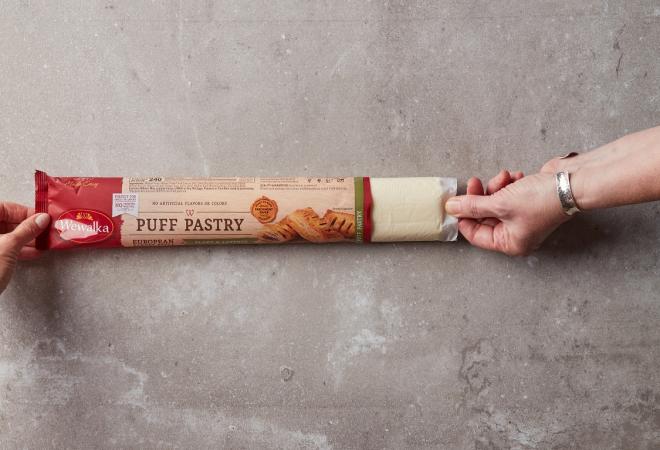
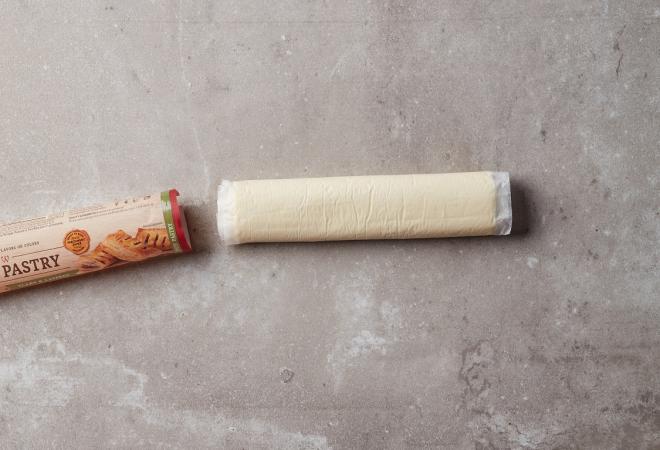
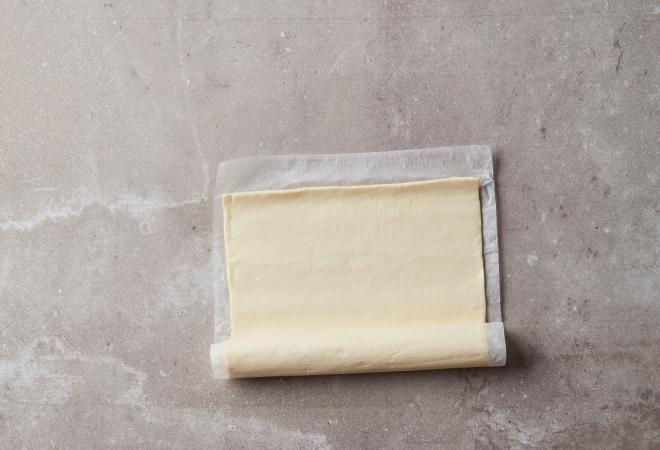
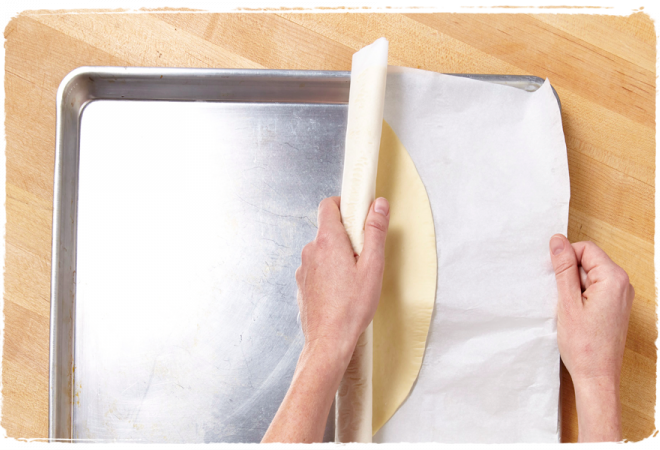
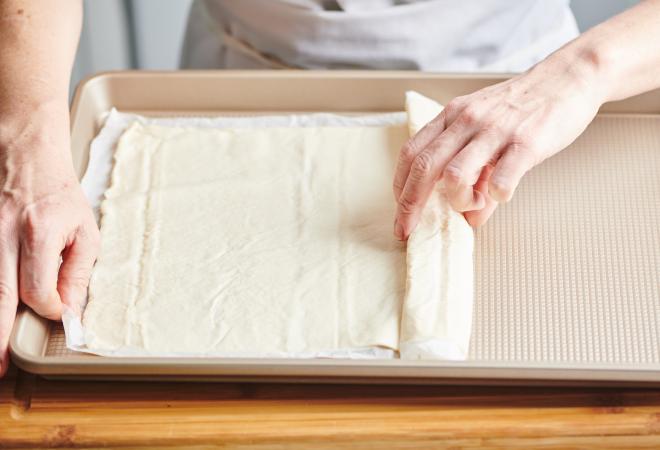
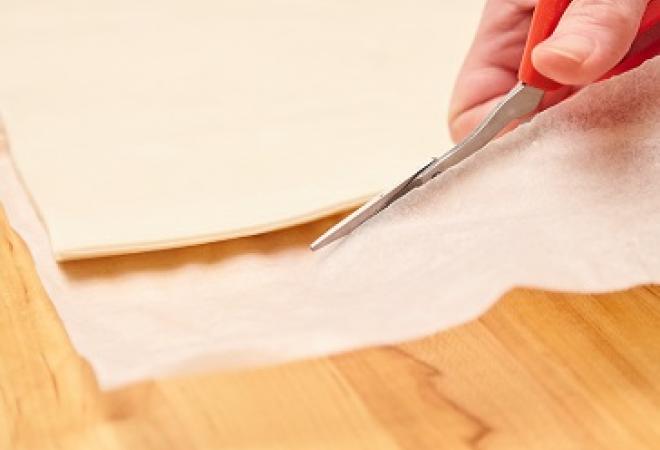
2. Unroll refrigerated Puff Pastry Dough and cut in half.
3. Spread the pesto sauce on one half of the Puff Pastry sheet all the way to the edges.
4. If making your own pesto: Combine basil leaves (no stems), parsley leaves (no stems), pine nuts, garlic, lemon juice and salt in a food processor and process until combined. With the machine running, slowly dribble in the oil until the mixture is smooth. Add the cheese and process just until combined. To prevent the pesto from browning, place it in a bowl and cover with Saran Wrap (touching the pesto) to seal. Refrigerate until ready to use.
5. Gently place the second half of Puff Pastry on top of the first half that has the pesto sauce. Press to seal the two halves together.
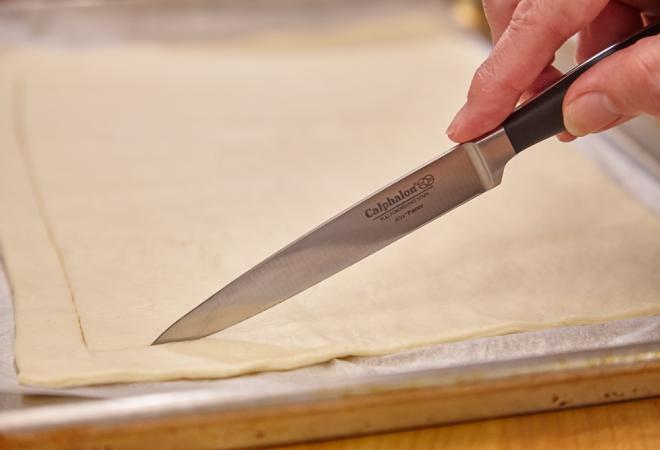
6. To make the tree shape, cut the dough in half horizontally. Then cut each of the two pieces in half diagonally. You should have four total pieces. Stretch or trim the triangles as needed to create even trees.
7. Form and slice the "branches" of the trees. Starting on one side, make horizontal slices into the sides of the triangles, being careful to stop before you reach the center. Repeat the same process on the other side of the triangle, again being careful to stop before reaching the center.
8. Starting at the bottom, twist the branches. Press the edge of the branch firmly into the parchment paper to keep the branch from untwisting.
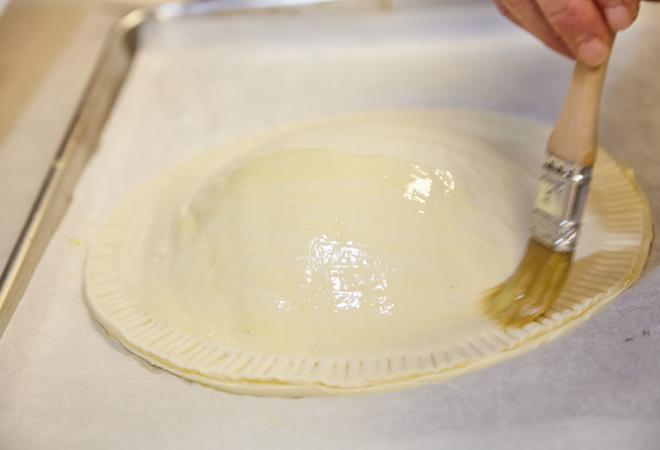
9. Brush the entire pastry with egg wash. Bake in the preheated oven until puffy and golden brown, about 15 minutes. Cool slightly before serving.